Designing an incentive trip: recognition first
The purpose of an incentive trip is not the trip. It is the recognition, and the trip is the vehicle. Programmes that forget this produce a nice holiday with a logo and no measurable effect on the behaviour they were meant to reward.
What makes recognition land
- It happens in front of peers. A private award is a bonus. A public one is recognition. The audience is the mechanism.
- It is specific. Naming what somebody did carries weight; a category title does not.
- It happens when people are present. Not on the final night when half the group is packing.
- It is proportionate. Twenty-five minutes of awards in a four-day programme, done well, beats an hour done tediously.
- It is followed by something. Days left in the programme for people to talk about it. That conversation is where the effect actually lives.
Every one of those points argues for putting the awards in the middle of the programme. It is the single highest-leverage change most incentive briefs need, and it costs nothing.
Programme design by objective
| Programme objective | Weighting | Length |
|---|---|---|
| Reward top performers | Experience-heavy, one strong awards evening | 4-5 nights |
| Build cross-team relationships | Assigned-team activities, shared meals, less free time | 3-4 nights |
| Retain key people | Comfort, quality, personal touches, executive access | 4 nights |
| Launch a new sales year | Half-day business content plus recognition | 3-4 nights |
| Thank a dealer or partner network | Hospitality-heavy, formal recognition, spouse programme | 3-4 nights |
Experience selection on this island
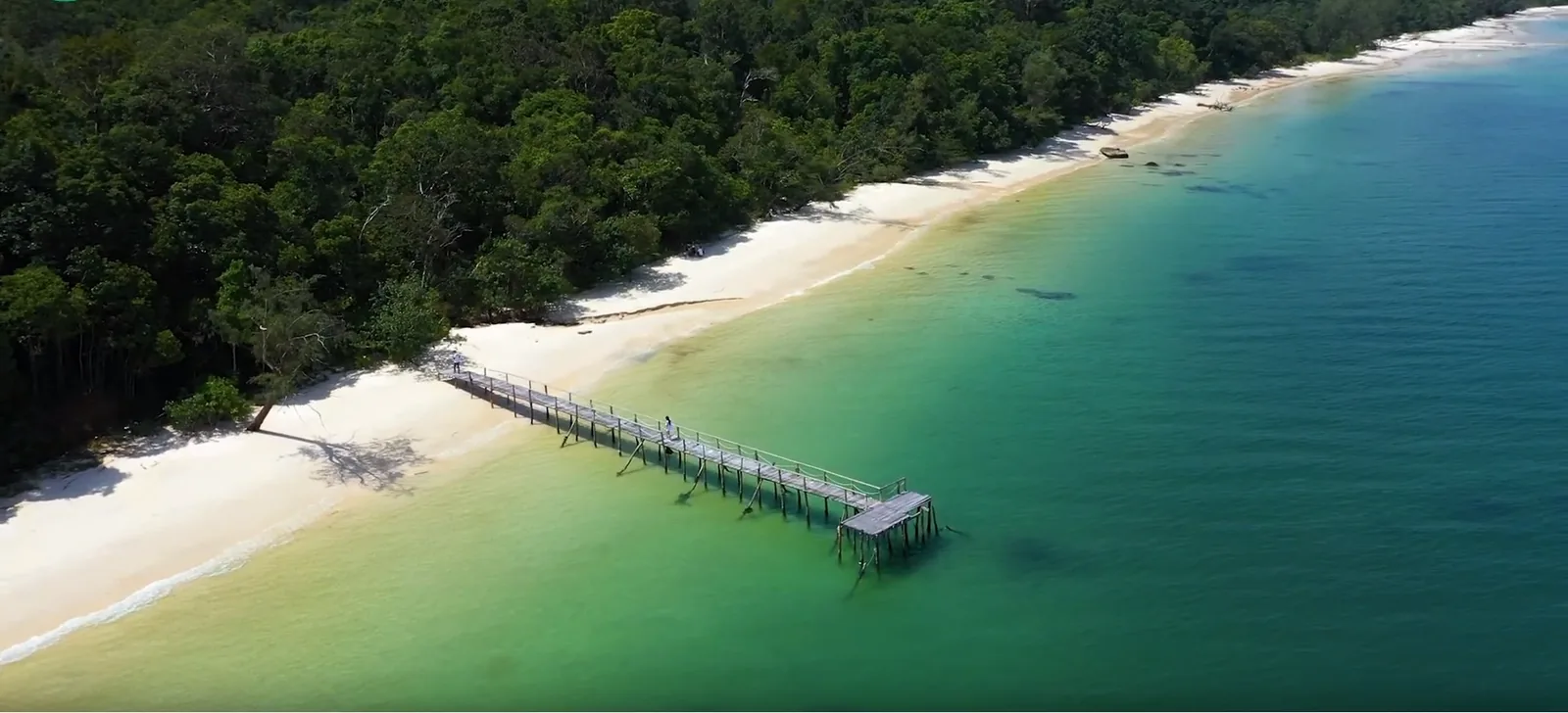
Phu Quoc offers a genuine advantage here: the island day is not a manufactured team-building exercise, it is a real experience that happens to produce team effects. That is rare and it is the reason many incentive briefs specify this island.
- Private island cruise — the highest-recall element in most programmes here. Assign boats rather than letting people choose.
- Beach gala — the setting does more for the evening than any production budget.
- Sunset reception — the informal first evening that protects the rest of the programme.
- CSR activity — produces documentation and, unexpectedly, the strongest reactions.
- Executive programme — separate arrangements for leadership. Budget it at the start; retrofitted, it looks bolted on.
- Spouse or partner programme — if partners are invited, they need their own programme or the trip fails for half the attendees.
Common mistakes
| Mistake | Consequence | Fix |
|---|---|---|
| Awards on the final night | Tired audience, no follow-up conversation | Move to night two or three |
| Filling the arrival afternoon | Everyone is flat on day two | Leave it free, deliberately |
| Self-selected teams | Existing cliques reinforced | Assign, mixing departments |
| No spouse programme when partners attend | Half the group has a bad trip | Design one or do not invite partners |
| Under-budgeting beverage | Awkward conversation on the night | Contract a bar package with an end time |
| Cutting the island day to save a night | Losing the element people remember | Cut a night elsewhere |
What we operate, the experience list and current rates are on the incentive travel service page.
Tell us what behaviour the trip rewards
That single sentence shapes the programme more than the budget does.
Questions travellers ask most
How many nights for an incentive programme?
Four is the natural fit: arrival, working day with awards, island day, free day. Three works but the island day is usually what gets cut, and that is the wrong cut on this island.
Should partners be invited?
It depends on the culture and the audience, but if they are invited they need their own programme. A partner sitting through an awards dinner for a company they do not work for, with nothing else arranged, is a common and avoidable failure.
What does an incentive programme cost here?
Roughly USD 330-640 per person for four days three nights at 4-star, depending on group size. Incentive programmes run above conference programmes at the same headcount because the spend sits in experiences and production.
How do we measure whether it worked?
Ask the same question before and six weeks after: what would you tell a colleague about the company right now. Comparing those two sets of answers tells you more than a satisfaction survey administered on the last morning, which measures the buffet.
Read next
Tell us about your group
Dates, party size and the places you care about are enough to start. You get a draft route and an indicative price, not a brochure.